THE CHALLENGE:

Unstructured Data is the Major Security Problem for Ransomware

Watch Overview Video (2:35)

The Problem

The Expanding Chaos of Unstructured Data

The storage infrastructure of modern organizations is incredibly complex. IDC estimates that by 2025 there will be 175 zettabytes of data globally, with 80% of it unstructured. Files and folders — your company data — are scattered across thousands of locations: on‑premises servers, server‑attached, network‑attached and PC storage.

They can be cloud solutions hosted by Microsoft, Amazon or Google, or self‑hosted and Microsoft‑hosted implementations of SharePoint — across multiple domains and global locations.

As a result of this complexity, 99% of IT security specialists have issues governing and managing unstructured data. The massive and disparate amount of unstructured data is a problem from a security, productivity and data governance perspective.
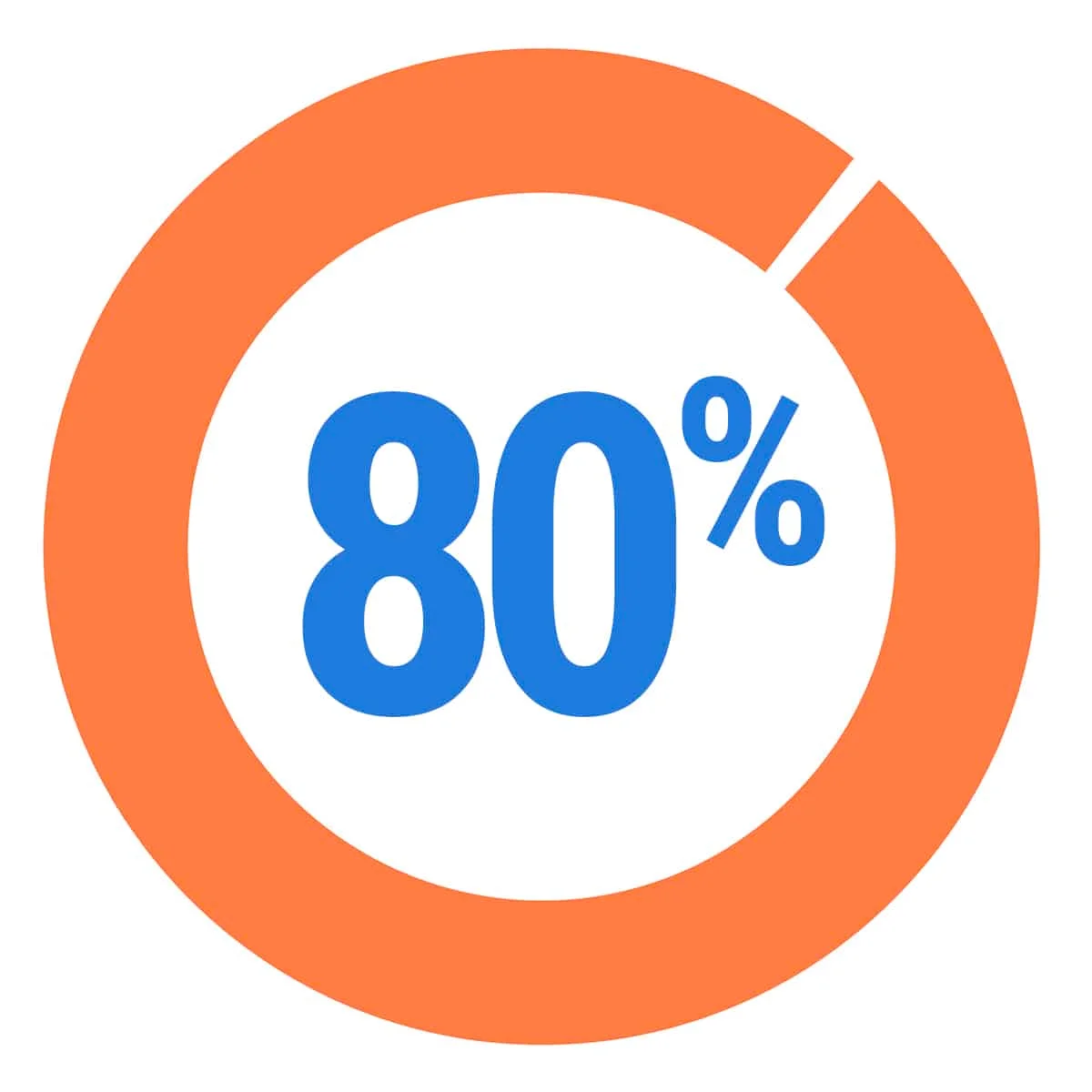
Chart: 80 percent of enterprise data is unstructured
"Upward of 80% of enterprise data today is unstructured."
— Gartner

Who It's For

How FileFlex Transforms Enterprise Data Security

Unstructured data lives throughout a complex hybrid‑IT infrastructure — on‑premises, public and private clouds, multiple domains, devices and locations. The unmanaged growth, disparate silos and multiple methods of access have led to increased organization‑wide exposure to ransomware.

Increased Vulnerability to Ransomware

According to IDC, 37% of organizations have been hit with ransomware, and ransomware complaints to the FBI are up 62%. Ransomware is at epidemic levels — and Gartner identifies the rise of unstructured data as its primary vector, because ransomware is fundamentally a data access issue. The cost isn't just payments to hackers — it includes investigation, recovery, fines and credit remediation.

"As ransomware continues to wreak havoc on organizations, security and risk management leaders must take a data‑centric view of this data‑focused threat."

Rogue Information Silos & Access Solutions

Unstructured data is stored across thousands of repositories — from on‑premises PCs, NAS and servers to cloud storage on Amazon, Microsoft and Google, and to SharePoint. The result is thousands of silos of information and multiple methods of access. Organizations lack a single solution that provides federated access to these disparate silos.

Ungoverned Data Access Problems

With thousands of users accessing thousands of data silos, IT managers lack key information as to who, what and when unstructured data is being accessed. It is difficult to know where confidential information is stored, or to control access to it.

Increased Headaches of Remote Work & Contractors

The workforce has shifted from employees in organization‑owned facilities to a distributed mix of employees, contractors and gig workers — often remote, often on personal devices. They need controlled access to appropriate content on a complex hybrid‑IT infrastructure without necessarily having VPN access. This paradigm shift has been accelerated and magnified by the rise of work‑from‑home.

  • On‑premises or remote
  • Corporate or personal computers
  • Mobile devices — tablets and phones

The Gap

Current Remote Access & Sharing Solutions Are Insufficient

Multiple remote access and sharing solutions are the norm in enterprises today — compounding issues in governance, security, productivity and costs.

VPNs

The VPN connects remote users and satellite offices to the organization's network, but lacks a Zero Trust architecture, granular role‑based policy, micro‑segmentation, least‑privilege access, detailed activity logs and file sharing. Widely used, VPNs are a honeypot for hackers and require constant maintenance.

Enterprise File Sync & Share

Built on a centralized cloud architecture where files are synced, copied or duplicated to a third party — creating a fragmented, separate silo of information. EFSS lacks Zero Trust security and does not access the company's infrastructure or SharePoint.

ZTNA / ZTAA

Zero Trust Network Access and Application Access provide identity, micro‑segmentation and least‑privilege access — but only to a network segment or application, allowing access to every file and folder on that segment. They don't provide file sharing or collaboration.

The Answer

Enter FileFlex Enterprise

FileFlex Enterprise provides the remote file access of a VPN — with a Zero Trust architecture. It delivers the file‑sharing capability of EFSS — from all the storage across your infrastructure, not just files synced to EFSS servers. And it complements ZTNA / ZTAA by providing IT‑controlled access micro‑segmented to the file and folder level, across on‑premises, cloud‑hosted and SharePoint storage.

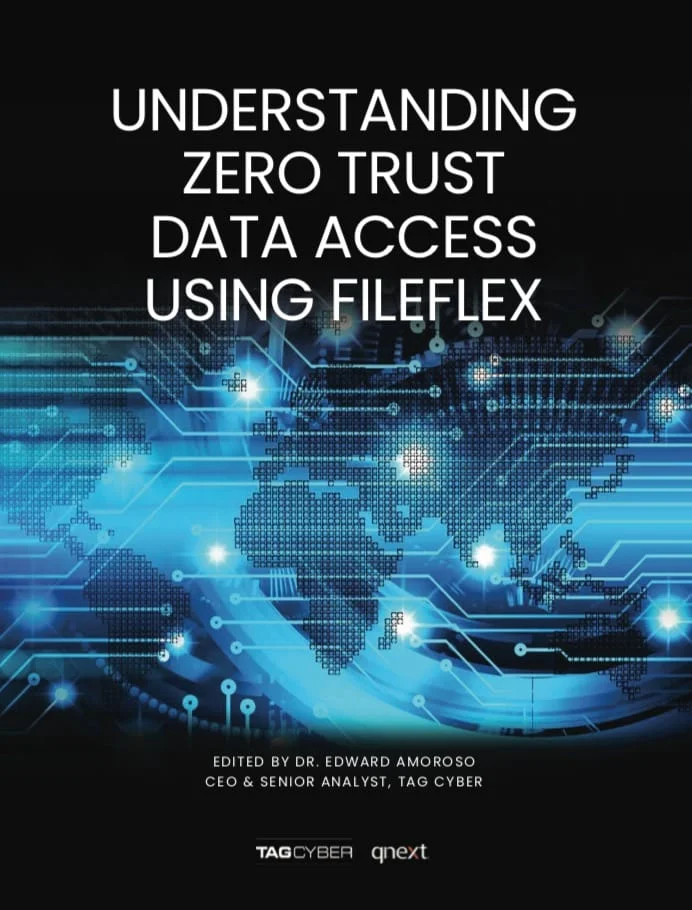
Cover of the Understanding Zero Trust Data Access Using FileFlex report

Featured Report

Understanding Zero Trust Data Access Using FileFlex

Edited by Dr. Edward Amoroso, CEO & Senior Analyst, TAG Cyber

This report explains how Zero Trust Data Access (ZTDA) can be implemented across an enterprise — an effective means for securely sharing unstructured data and enabling work‑from‑anywhere connections to enterprise applications without VPN support. The publication outlines the basics of the emerging ZTDA model and the creation of a secure, remote‑access infrastructure.